
The role of local bookmakers in Eastern European betting. By Marko Mitevski
In past years, Eastern European markets have become some of the fastest-growing sports betting markets across the globe. Nations like Poland, Romania, Bulgaria, Serbia, Croatia, and others have rapidly expanded their online and offline forms of wagering.
This is due to the development of better Internet infrastructure and more disposable income, combined with a cultural obsession with sport.
Thus, a new competition has arisen between local/regional operators that have a certain level of intimate understanding of their respective markets. Their international rivals are global operators such as Bet365, Betway, 1xBet and others that are emerging with their own level of expertise, larger budgets, and better technologies.
The competition between local and global operators is evolving the betting environment in Eastern Europe. Each type of operator has its own pros and cons, and caters to a unique customer base. To understand the competition and how the sports betting environment looks generally, we should think about the cultural, regulatory, and technological drivers that differentiate this competition.
The Rise of Local Bookmakers
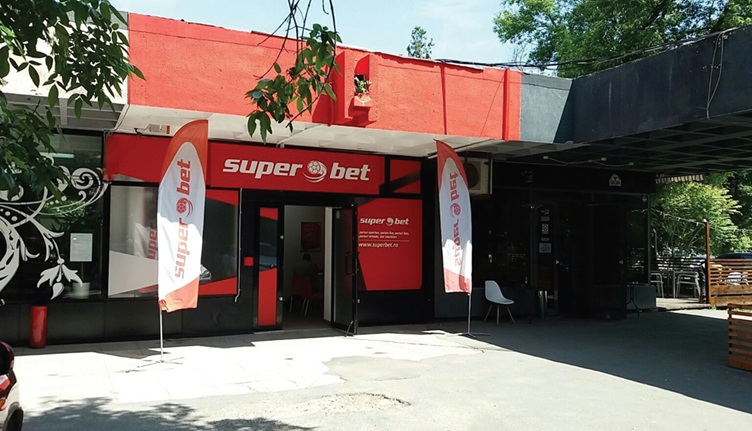
Eastern European bookmakers have been around for more than 30 years, before there was ever online gambling. Many are small family businesses or part of a national chain selling only bets on traditional sports – football, basketball or horse racing. They are still in business and able to adapt to ever-changing national political or economic conditions (especially arising increasingly in the post-Communist transition), in large part because they have built longstanding relationships with their customers.
These bookmakers depend on community trust and personal relationships to survive in a non-digital world. Customers, the majority of whom live in small towns or regional cities, value familiarity. They know the person behind the betting counter, are confident in the odds format and have a social interaction when entering a local shop. That trust translates to the online arena, in that local brands are creating their people-centric online experience through mobile apps, localized websites and social accounts.
Another advantage is how they adapt to culture. Local betting shops provide promotions, betting markets and customer service tailored to Eastern European betting preferences. Often they will have markets on their local sport, such as Polish Ekstraklasa football, Serbian basketball or Romanian Liga I matches. The localized marketing strategies they implement, almost always centered around local sporting heroes or sponsorships at the local level, provide a meaningful way for them to interact with the community.
The Global Betting Invasion
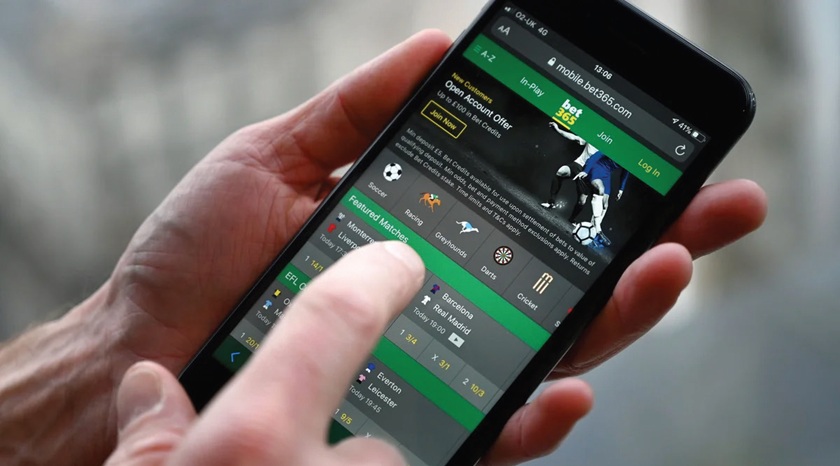
Local bookmakers possess a strong history and credibility, while global betting brands have scale, a grip on technology, and access to massive market budgets. Companies such as Bet365, Unibet, and Betway have begun to expand aggressively into Eastern Europe, to reach the massive and growing online audiences. They offer top-to-bottom technology platforms, sophisticated data analytics and limitless betting markets, all the way from the Premier League to niche esports events.
The user experience is one of the key attractions of global brands. Their sites are fast, sleek, and underpinned by cutting-edge algorithms used to offer bespoke recommendations and change odds dynamically. To young, tech-savvy, English-speaking bettors in Eastern Europe, these sites are luxurious and trustworthy.

Furthermore, international companies possess the capital to provide substantial sign-up bonuses, free bets and loyalty options that local bookmakers may struggle to provide. They may advertise featuring global sporting stars or major sponsorship contracts, creating a visibility and respect that crosses all borders.
Nevertheless, international companies are experiencing challenges when it comes to Eastern Europe. Language, currency and regulatory differences between each nation make their operations complex. In some cases, foreign-based betting firms are limited or taxed heavily by countries, forcing them to operate outside the country or partner with domestic firms. While there are difficulties, their growth will continue – based solely on this insatiable market for betting on digital platforms.
Regulation and the Gray Zones
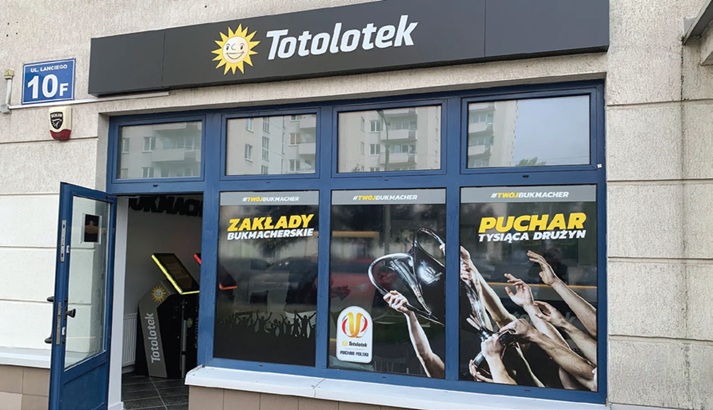
Regulation is a primary factor establishing a local or global operator in the betting space. The situation in Eastern Europe can seem a bit disorienting, due to the fragmented state of law. For example, Poland and Romania have moved to a system of regulation for online betting that is more centralized, and generally covers more aspects of the market. It requires operators to apply for local licensing, as well as meeting local taxation and regulatory requirements. This is a positive development for domestic operators who could comply with the local bureaucracy of licensing.
On the other hand, countries such as Bulgaria and the Czech Republic have had a more-open market, allowing international operators to apply for and/or offer these services as they navigate any licensing required. Other operators are still operating in smaller markets legally in a gray area, with international sites providing services to local players without laws legalizing these services and without enforcement against the international sites.
Local betting houses generally have an advantage in forging stronger ties to government officials. Many people think of them as legitimate and local businesses, contributing to the national economy while also encouraging local industry. Global brands are sometimes seen as taking money out of the country and destroying local jobs. However, many of these global businesses have lobbied local governments to establish themselves as legitimate businesses concerned for responsible gaming and adding to their local economy.
The tension between restriction and competition affects how the market develops. As more and more municipalities grasp the potential tax revenues from regulating a legalized betting environment, they might even be the ones to define whether local businesses will outperform global brands.
Technology as the Equalizer
Originally, technology was a definite strength for global brands but that gap is quickly closing. Local bookmakers have made inroads with their digital transition, which includes mobile apps, live betting, payment integrations and even technology partnerships with European companies to modernize their platforms, all to the same formal technology benchmarks as international brands.
However, global brands remain at the forefront in data analytics and AI-driven personalization. They can leverage real-time data to offer cash-out, live odds and personalized promotion. This level of interactivity is in line with the preferences of a younger bettor cohort who, having grown up with real-time, less-fractioned digital experiences, have a higher expectation of it.
Nevertheless, local operators are not falling far behind. Multiple local operators are starting to innovate out of localization, including collaborating with various national local payment systems. They are offering customer engagement and service on locally based platforms, and leveraging local engagement with cultural touch points like national holidays or local sport events. This combined approach, which modernizes technology but also is respectful of the culture it resides in, is working.
Marketing and Brand Identity
The distinction between local bookmakers and global ones in their marketing approaches is stark. Global operators tend to rely on mass-market ad campaigns (think TV commercials, football sponsorships, influencer marketing and digital marketing). The tone of global-brand marketing is often sleek, professional and aspirational, with a focus on the modern bettor who wants to bet conveniently – and with class.
But sponsorship of local football clubs or other community programs gives local bookmakers concrete authenticity that most global bookmaker sponsorships cannot bring. This emotional connection can be just as valuable as a large advertising budget in some Eastern European markets.
Another growing area is social-media engagement. Both local and global operators are now allocating money towards platforms like Instagram, TikTok and YouTube to reach a younger audience. In those instances, local brands have an even stronger advantage over the global ones because their content is culturally relevant or applies local memes. They can foster a community around their own brand.

Trust, Loyalty and Consumer Behavior
Trust continues to be an instrumental facet. Although global brands add a layer of international credibility and professionalism, a majority of Eastern European bettors prefer to remain on familiar platforms regulated or controlled by the government of their jurisdiction. Bettors have always thought their money and data were safer with a business that they can access or to which they can go in person, rather than taking the risk of simply registering for an unknown or unregulated platform.
Consumer behavior in the region is also changing. Younger generations are growing up in a completely digital world, and are more willing to use global platforms, cryptocurrency and alternative payment methods. Older bettors continue to prefer to bet in cash with their local bookmaker. There, they can also stand around and talk to someone they know about sports.
The generational divide clearly demonstrates that the challenge facing local and global bookmakers is not simply a battle for market share. It is about an identity that the consumer trusts and the evolution of consumer behaviors.
The Future: Coexistence and Collaboration
The outlook for Eastern European gambling is probably not going to be a single-market landscape but more in line with coexistence and collaboration. As the regulation is becoming more harmonized and technology becomes more accessible, we will see partnerships develop in which a global brand will partner with or buy a local operator for market placement plus a level of local identity.
Such partnerships will create a win-win situation: The global brand will offer expertise around digital, innovation, regulatory compliance and product development, while the local operator will have good knowledge of the cultural, language and customer-behavior domains. Ultimately, this may put in play a sophisticated, competitive and transparent betting ecosystem across Eastern Europe.
*** This exclusive feature was originally published in October 2025 edition of Sports Betting Operator Magazine Issue 019***

William Hill Sportsbook Officially Opens at Capital One Arena in Washington, D.C.
WASHINGTON, May 26, 2021 /PRNewswire/ -- Marking a...

Half of US offers legal sports betting as NFL season begins
EAST RUTHERFORD, N.J. (AP) — More than half of the...
William Hill US and Mescalero Apache Tribe Announce New Sports Book at Inn of the Mountain Gods Resort & Casino in New Mexico
LAS VEGAS (June 24, 2019) – William Hill US, ...
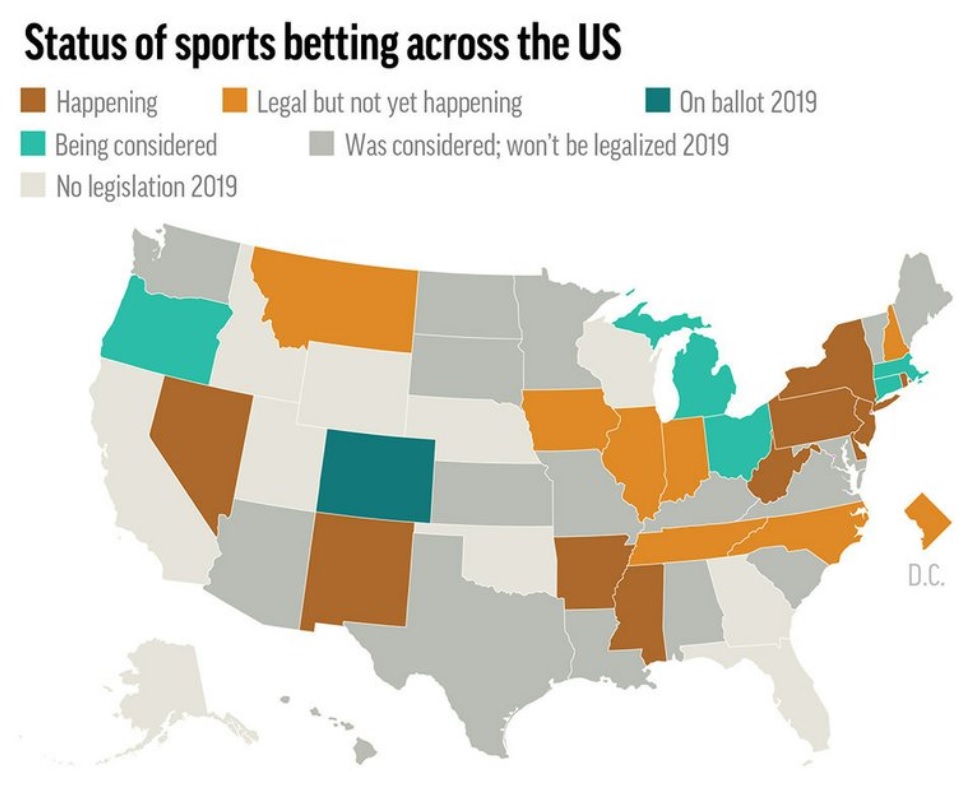
Sports betting is days away from becoming legal in Indiana
INDIANAPOLIS (AP) — Sports betting is days away fr...

Nasdaq dealing in Sports Betting
Nasdaq Inc. is lending its technology an...