

A new academic study funded by the ICE Research Institute, an initiative jointly supported by ICE Barcelona organisers World Gaming (formerly Clarion Gaming) and FIRA Barcelona to promote independent research on gambling sustainability, argues that media narratives surrounding gambling may contribute to increased stigma, which in turn can actively exacerbate and intensify harmful behaviours.
The research project ‘Social Representations and Stigma Surrounding Gambling in Contemporary Spain’ led by the academic Dr David Pere Martínez Oró Director of Episteme Social, analysed 726 Spanish newspaper articles published between 2011 and 2024. It argues that the way in which gambling is portrayed in the media, in particular if positioned as an individual failing, can have profound consequences for the vulnerable and for those experiencing gambling related problems.
Martínez Oró explained: “Paradoxically, stigma can intensify harmful behaviour. By treating gambling as a deviant behaviour rather than a regulated leisure practice, stigma pushes vulnerable players to the margins, where the risks are greater and the protective factors are weaker. Stigma has behavioural consequences and when gambling is framed as a moral failure, individuals are more likely to feel shame and hide their behaviour.”
Highlighting gender differences, he noted: “The underlying moral narrative characterised by risk, irresponsibility, and loss of control does impact women differently in cultural terms. Women players are more easily judged as ‘bad mothers’ or ‘inadequate caregivers’ whereas men are framed as being ‘reckless’ or ‘weak.’ Although the media do not stigmatise women more quantitatively, the social cost of stigma can be higher for them because it clashes with traditional gender expectations.”
Martínez Oró cautioned that simply increasing social acceptance of gambling will not eliminate stigma. He notes that without changes to regulation, education and media framing, stigma will remain embedded in cultural narratives, an argument that applies to even the most tolerant societies.
In terms of how the research will be used he said: “I hope the results will inform policy recommendations, industry standards and communication strategies to move from a narrow model of responsible gambling toward a more effective framework of shared responsibility and one that distributes obligations among regulators, the industry, media, communities and players, reducing harm without producing stigma.”
The Director of Episteme Social believes that the support of the ICE Research Institute has been crucial, as it guarantees independence, legitimacy, access and impact. “While the project could have been conducted academically on a smaller scale, ICE’s backing enables broader dissemination, stronger methodological resources and higher industry engagement” he argued.
“Significantly, the support sends a clear message that the gambling industry is willing to confront difficult questions and invest in knowledge, not just reputation.”
The ICE Research Institute supported project used a qualitative, exploratory approach, allowing meaning to emerge from the data rather than forcing predetermined conclusions. The grounded design strengthens the credibility of the findings and avoids ideological bias.
Preview Image: Dr David Pere Martínez Oró Director of Episteme Social

Half of US offers legal sports betting as NFL season begins
EAST RUTHERFORD, N.J. (AP) — More than half of the...

William Hill Sportsbook Officially Opens at Capital One Arena in Washington, D.C.
WASHINGTON, May 26, 2021 /PRNewswire/ -- Marking a...
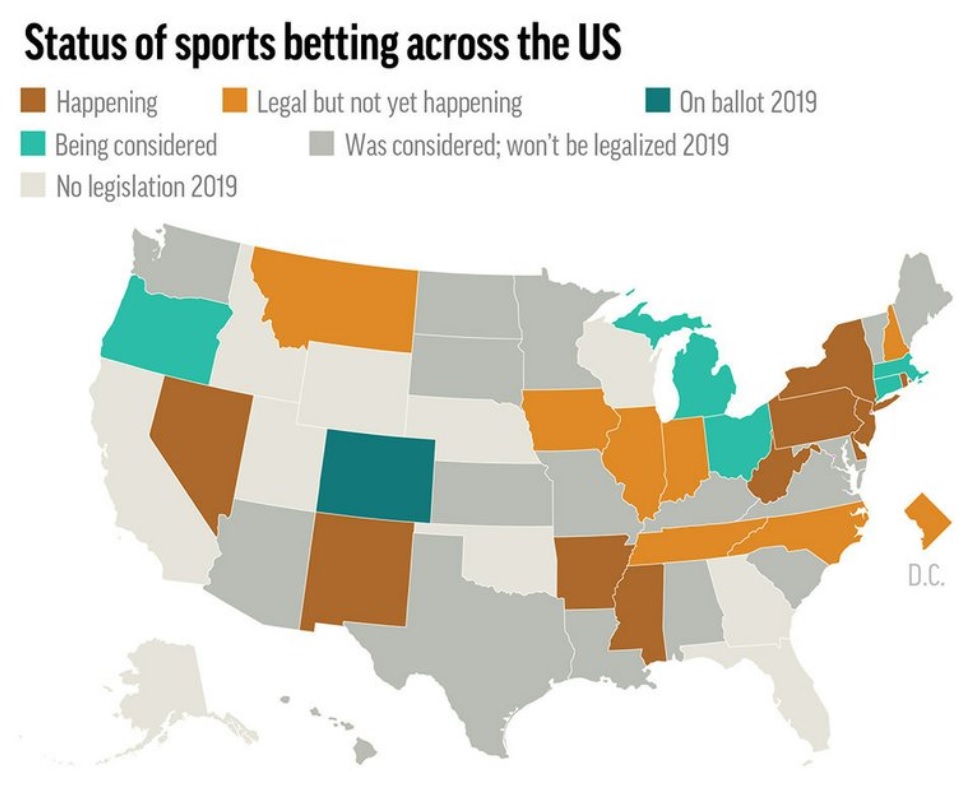
Sports betting is days away from becoming legal in Indiana
INDIANAPOLIS (AP) — Sports betting is days away fr...

Nasdaq dealing in Sports Betting
Nasdaq Inc. is lending its technology an...