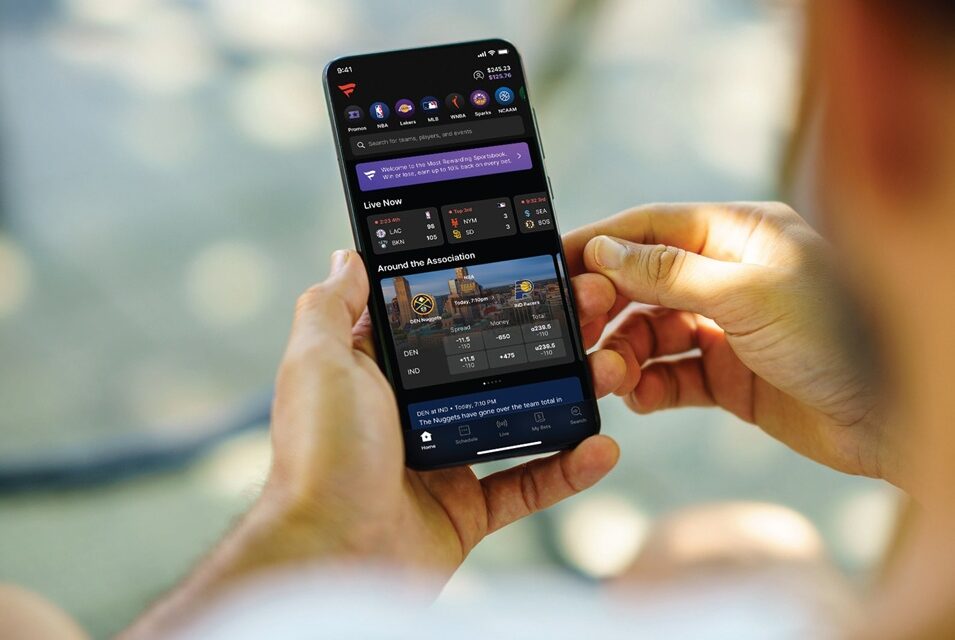

Brandt Iden of Fanatics Sportsbook preaches the virtues of the tortoise over those of the hare. By David McKee
He’s been the father of iGaming in Michigan. Gambling.com said he “set an example for states all across the country, by crafting legislation which successfully regulates online gaming for both tribal and commercial operators.” He is Brandt Iden and he’s the vice president of government affairs for Fanatics Betting & Gaming.
Fanatics has parlayed success as a purveyor of sporting souvenirs and apparel into online wagering. Its improbable business model has led to unexpected (by many) réclame in OSB. Fanatics is a strong number three in New York State and is making substantive inroads elsewhere. While DraftKings and FanDuel remain dominant in the field, Fanatics has the best shot at turning the Big Two into a Big Three.
We caught up with Iden amidst last-minute Christmas shopping. He reflected on his time in the Michigan legislature and looked ahead to the challenges of 2026. Our conversation has been lightly edited for clarity and length.
How long has Fanatics been offering sports betting and in how many states does in currently operate?

We’ve been in the market three years. The launch in Missouri puts us in 24 states, plus the District of Columbia.
How did you come to be involved with Fanatics?
That’s sort of interesting. I was the head of government affairs for Sportradar for about three years and I was one of the first employees at Fanatics. I was in that first couple of hundred folks that were hired. I knew Matt King from his days at FanDuel, of course, and then as the CEO of Fanatics. They reached out to me, we had a great conversation and I’ve been here basically now for three years. I love it. It’s a great opportunity and we’re in a great upward trajectory for the business.
Is it better than being in the public sector?
Well, it’s different. I served 10 years in the public sector. I did four as a county commissioner and then I did six in the state house. I was term-limited, so I couldn’t run again. I would have had to run for senate, run for a different office and I think after 10 years I was ready to get back into the private sector, which is what I had done before I was in the legislature.
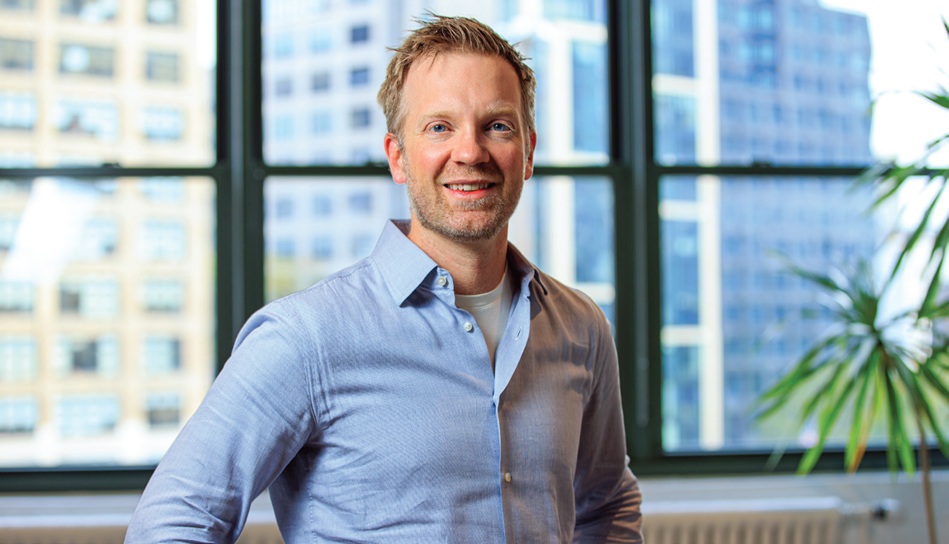
Image: Matt King CEO Fanatics Betting & Gaming
Look, I learned a lot. I made a lot of great friends. We passed some great legislation, including the iGaming legislation, some things I’m very proud of. But I was ready for a change and now, fortunately, in my role today I still get to participate a lot with elected officials in their roles. I spend a lot of time in state capitals. Although I’m no longer an elected official, I still spend a lot of time with those in public service and get to use my skill set and knowledge to hopefully craft good, sustainable gaming legislation.
The company’s business model leverages its souvenir and apparel success, does it not?
That’s very fair. There’s no doubt that Fanatics continues to grow in the retail-commerce space. Now with the collectibles and trading cards added to that portfolio, it only further enhances the Fanatics Betting & Gaming product. We know that there’s a huge database of sports fans that both purchase our apparel and merchandise, and also occasionally participate in the entertainment-gaming space.
We’ve been able to bring those two together and craft some really wonderful experiences for our players that are true sports fans. They are sports fans that not only love watching a game while participating by purchasing merchandise for attending games but also occasionally placing a wager on a game. That has been a very strong model for Fanatics, in addition to some great technology. There’s no doubt that our product is one of the best in the marketplace and that has helped lead to our success.
Given the breadth of Fanatics’ retail appeal, how do you keep from attracting underage bettors?
Obviously, we’ve got rigorous standards that we adhere to, to ensure that our customers are KYC-ed properly through our process. We know that they’re 21. Look, just because they buy a piece of merchandise on the website doesn’t mean that they will bet. Certainly if they’re not of age. So we ensured, through our protocols, that in every state that we’re regulated in and we’ve got very strict protocols ensuring that people are 21.
Have you have any conversations with regulators along those lines?
Not with me directly in the government-affairs space. I deal a lot with the new-markets/legislative front. This is not an issue that’s been brought up to me through the legislative process.
Fanatics is currently number three in New York State and doing comparably well in other ones. How did the company succeed in capturing market share where many competitors have failed?
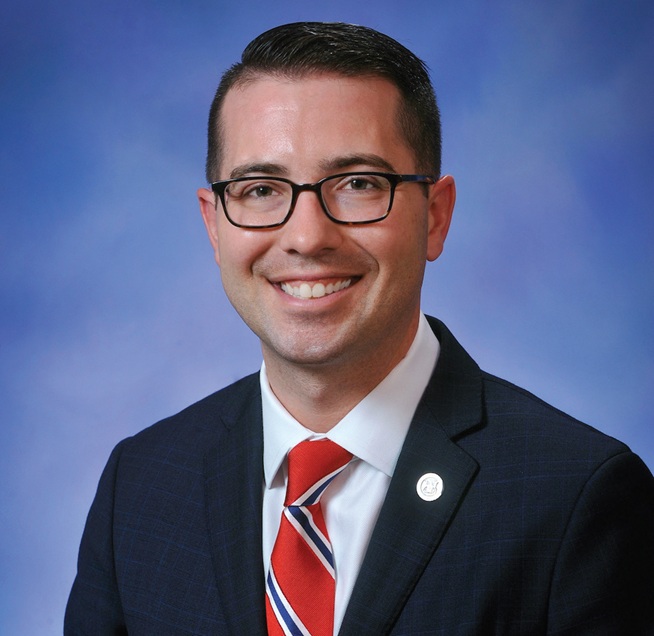
Image: Brandt Iden, vice president of government affairs,, Fanatics Betting & Gaming
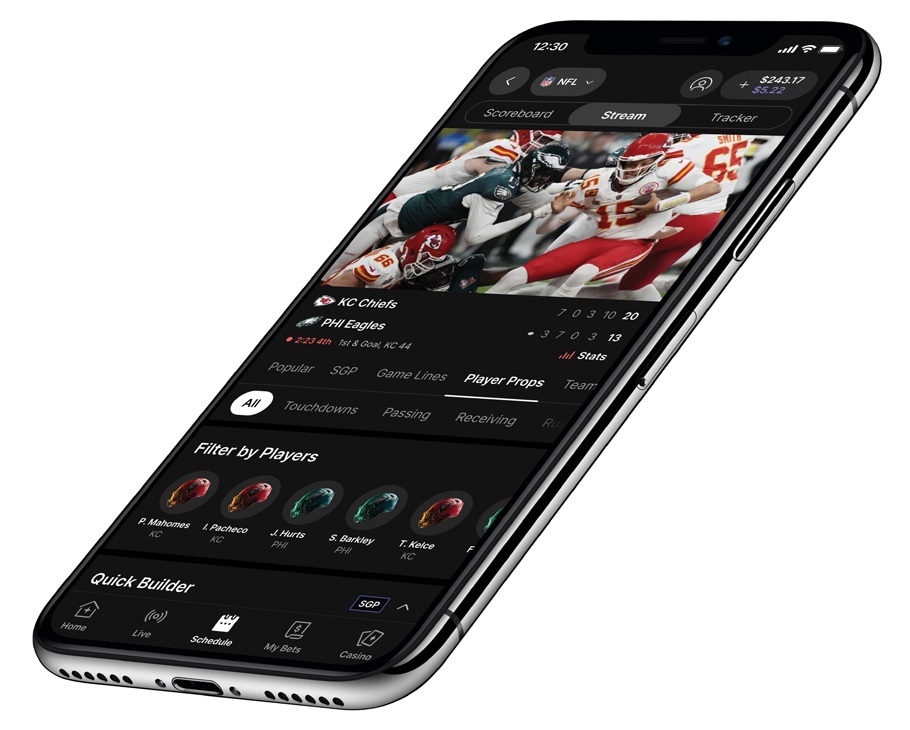
It’s our database. It’s our knowledge of sports consumers and the type of content that they want to consume. Fanatics is a household name for a consumer of sport and once consumers see the product, they enjoy the product. The technology is fantastic. We’ve spent a tremendous amount of time ensuring that the product was very good, which has been important to our second-mover success.
The third piece of that is Fan Cash. Fan Cash is what we like to call ‘the currency of sport.’ When they purchase items, consumers collect Fan Cash points, which they can then use for their entertainment experiences on the gaming platform. Of course, when they’re on the gaming platform they collect Fan Cash points, which they can go use and redeem for jerseys, hats, T-shirts and other memorabilia. It’s a really unique model that we have that those other competitors in the market don’t.
We’ve got a long way to go to catch up to FanDuel and DraftKings, obviously. Even though we are third in a lot of markets and still continuing to grow, there’s still a long way to go. But we’re getting there, it’s been successful and will continue to be successful.
What are Fanatics’ legislative priorities regarding traditional iGaming and sports betting?
Obviously, we believe that there is still growth in the online-sports-betting space. You’ve got a couple of big states: in particular California, Texas, Georgia, Oklahoma. These are large states, big populations that have yet to have OSB, obviously. In my role, I spend a tremendous amount of time educating lawmakers on the success of OSB. I draw on my experiences from Michigan but now from other states as well. So those are definitely big priorities – to continue to expand the OSB footprint.
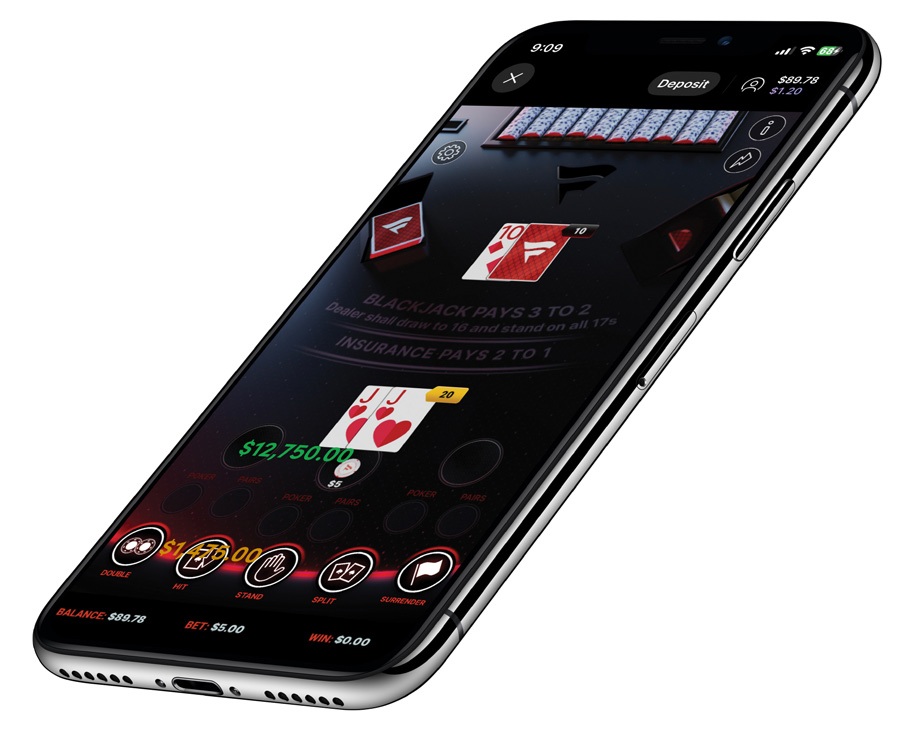
iGaming is really interesting because that’s where I believe there is the most potential growth for the industry, both in terms of revenue and state consumer protections. Today, you’ve got in any state, even if they don’t have regulated iGaming, folks can get online. They can type into Google ‘online casino,’ and a number of illegal, offshore websites will pop up, which people play on. We know this. And states don’t collect any revenue, consumers aren’t protected and of course the industry can’t participate as an industry without regulated gaming, obviously, without state licensure.
iGaming is going to be poised for significant growth, for a number of reasons, as we move into 2027. State revenues, the impact from the federal government and some of the costs that these states are going to have to take on, thanks to the One Big Beautiful Act, the states are going to be looking for new revenue and iGaming is going to be a part of that. Especially given the success of Pennsylvania, Michigan, West Virginia: a tremendous amount of success for the consumers – from a consumer-protection standpoint – and for the states, in terms of state revenue, for operators who participate in the market and of course for those states that have it (like Michigan), a massive success for the tribes as well.
I hope that, as we continue to tell that story – that’s part of my job – and continue to educate lawmakers on the success of that, there will be more adoption in the future. Hopefully sooner rather than later.
What are your political expectations for the coming year, vis-a-vis sports betting and iGaming?
Without outlining specific states, what I will say is that you have to look at – and this is what I tell people all the time – states that are in need of revenue, are likely going to be further stretched with their budgets going into 2026, given the costs that are being pushed upon them by the federal government (especially health care and other social-services costs). These states are going to be looking to fund that.
You’ve also got states where iGaming has been talked about for a period of time. If you look at these states, it just takes a lot of education. I like to remind people that’s why it’s been talked about for a period of time. I also often get critiques that say, ‘Well, states like Maryland and New York, they’ve been talking about it for years.’ That’s absolutely true. In Michigan it took us six years to pass iGaming legislation. And by the way, along the way, I received a veto from former Gov. Snyder and had to start to process all over again.
So these conversations take a very long time. It takes time to educate lawmakers. Then you get turnover and you get new lawmakers, and you have to start all over. These things don’t happen quickly. I like to look at these states where these conversations have been ongoing and then combine that with the need for revenue. Places like Maryland, New York, Virginia are states that could be poised. Illinois could be poised for future action. This conversation has to evolve for a period of time and sometimes for a long time. It just doesn’t happen overnight.
With the encroachment of sweepstakes and prediction markets, is there going to be an audience for traditional sports betting by the time legislatures get around to acting?
That’s an interesting question. I believe that there always will be. The types of offerings that are available in traditional, state-regulated gaming will always be there. These other things, whether or not they continue to exist in the market, OSB will be there. Consumers want a number of platforms. They want a lot of choices. What I’ve found in the marketplace is, the more offerings that are available for consumers, the more the market thrives.
I believe that these states will definitely want to capture the revenue, which is set up in a different model through regulated OSB. They’re going to want that, so I think that they will. In some ways, importantly, other things like prediction markets and sweepstakes are (hopefully, in my opinion) a catalyst for states to continue to adopt sports betting. Some will see: ‘We’d like to capture this state revenue. We’re not getting it now. There are other opportunities and offerings available in the marketplace for our consumers.’
In order to best benefit the state and provide the highest standard of consumer protections for individuals, states would want to look to expanding OSB. I actually think, in a lot of ways, some of these other things will be a catalyst for further success and growth.
Sports betting is perceived in the United States as a two-horse race between DraftKings and FanDuel. Can they be caught?
It remains to be seen. I don’t know necessarily that they can be caught. But Fanatics is continuing to do a great job to make up ground with market share. Fanatics is likely going to continue to grow, likely pulling from those two top operators, as well as potentially others. We know that. Look, it takes time. It takes a good product. It takes consistency in the marketplace and I think Fanatics is poised to potentially catch them. Yes, I do.
*** This excluisve article was originally published in January 2026 edition of Sports Betting Operator Magazine Issue 20 Volume 8 ***
Online sports betting sites score as NFL season gets under way
BOSTON (Reuters) - Top online sports betting servi...
Half of US offers legal sports betting as NFL season begins
EAST RUTHERFORD, N.J. (AP) — More than half of the...
William Hill Sportsbook Officially Opens at Capital One Arena in Washington, D.C.
WASHINGTON, May 26, 2021 /PRNewswire/ -- Marking a...
Sports betting is days away from becoming legal in Indiana
INDIANAPOLIS (AP) — Sports betting is days away fr...
William Hill US and Mescalero Apache Tribe Announce New Sports Book at Inn of the Mountain Gods Resort & Casino in New Mexico
LAS VEGAS (June 24, 2019) – William Hill US, ...