
Image: Basketballs on a court – Source: Unsplash
Arizona’s Brayden Burries had to endure plenty of alone time throughout November, replaying the tape of four single-digit scoring games as his Wildcats continued to march toward their perfect season. Those displays had the naysayers whispering that maybe he wasn’t ready to lead his team to the Natty, let alone secure a first-round selection in the NBA draft. Hell, the scouts’ notes questioned whether the top-55 recruit even belonged on Arizona’s loaded roster.
Then something clicked.
Burries Anchors Arizona’s Natty Push
18 points per game over the next ten, 58% shooting, defensive dominance, forcing evaluators to lean forward in their seats. Three months later, Arizona remains almost undefeated, bar a loss to Kansas country. And Burries is the freshman guard who has been imperative to it all, suddenly forcing late-night debates about whether he’s a lottery pick or just another tournament mirage.
That’s March. That’s the entire cruel, beautiful machinery of draft stock in four weeks of basketball that can rewrite six months of scouting reports overnight. But before the 20-year-old prodigy can even think about strutting his stuff in the big time, he first has to ensure his team lives up to the lofty billing handed to them by online betting sites. Websites accepting March Madness bets make the number one-ranked Wildcats the +400 favorites to convert their record-breaking campaign into a first National Championship in almost 30 years.
But young Burries isn’t the only one aiming to climb the draft boards throughout March Madness. Selection Sunday arrives March 15, and plenty of players sit on the edge of something transformative: lottery money versus second-round guarantees, franchise building blocks versus G-League assignments. Let’s take a look at some of them.
How locked in me and bro are when game one of March Madness tips off
— Bovada (@BovadaOfficial) February 9, 2026
LaBaron Philon – Alabama
LaBaron Philon sits mid-first round (24-30 range) on most draft boards and knows exactly what the scouts whisper: undersized creator that gets exposed against length. He’s 6-foot-3 in a league that prefers 6-foot-5 combo guards who can switch everything. But Kemba Walker was 6-foot-1 when he used 2011’s tournament to become an 11th overall pick. Philon watches those highlights on repeat—every step-back three, every hero moment in tight games—understanding that’s his blueprint.
Alabama projects as a 4-6 seed, battle-tested through the SEC chaos, positioned for a Sweet 16 or Elite Eight run if their scoring clicks. Philon averaged 12 PPG, 3.5 RPG, 4.3 APG while earning AAC All-Freshman honors at Tulane before transferring, bringing a deep scorer’s bag (pull-ups, floaters, crafty finishes) that NBA teams need off the bench. His defensive rating (105.9) and steal numbers (1.1 per game) suggest he won’t get hunted, and he guards opposing teams’ best perimeter scorers in Nate Oats’ switch-heavy scheme.
To make the lottery leap—to convince a GM he’s worth a top-12 selection despite giving up three inches to prototypical NBA twos—Philon needs 20+ PPG on 45% shooting with low turnovers across a deep tournament run, outdueling lottery picks in high-stakes matchups. If Alabama faces Duke or Kentucky in the Sweet 16 and Philon goes for 26 with six assists and four steals against Cameron Boozer or whoever Kentucky throws at him, the size concerns evaporate. That’s the math: elite scoring guards who take over March games vault 15 spots regardless of measurements.
Thomas Haugh – Florida
Thomas Haugh jumped from No. 34 on Bleacher Report’s board to ESPN’s No. 10 pick after Florida’s Final Four run last year. The 6-foot-9 forward now averages 19.2 PPG, 7.6 RPG, 2.3 APG on 47% shooting and 33% from downtown for the reigning national champions, The Gators’ primary weapon as they chase a title repeat. But here’s the tension scouts won’t say publicly: if Florida flames out in the Sweet 16, does he slide?
Motor questions follow Haugh despite his production—the whispers that he coasts through stretches, doesn’t impose his will consistently enough for a lottery forward. NBA teams want 18 PPG on 50% shooting with 8 rebounds across a championship run, performances that scream “pro-ready stretch forward who can defend multiple positions”. Anything less and he’s a mid-first-rounder fighting for playing time on a rebuilding team instead of a top-10 pick joining a contender. Florida’s locked as a top-4 seed, elite Final Four contender—Haugh’s walking the tightrope where clutch shot-making in Elite Eight games cements his lottery status and disappearing acts send him tumbling.
Alex Karaban – UConn
Alex Karaban withdrew from the 2024 draft. Then the 2025 draft. Watched younger players get selected while he returned to UConn, chasing a third national championship after their run of two straight titles came to an end last season. Now he’s 23 years old—ancient in draft years—sitting late first to early second round with one final March to prove his championship pedigree, 38% career three-point shooting on 640 attempts, and 6-foot-11 wingspan translates to NBA role-player money.
That’s the cost of loyalty. UConn co-holds the No. 6 seed, and Karaban’s the veteran glue guy who spaces the floor and makes winning plays. He earned Second-team All-Big East honors and played 126 games across two national championships. But to climb into first-round security—to make teams forget he’ll be 23 when drafted—he needs to average more than he has throughout the last three postseasons, all while attempting to recapture the Huskies’ glory days.
Clutch blocks, steals, and shot-making in Elite Eight games would scream pro-readiness. Another UConn title would cement his profile as the championship-tested wing who every contender needs in their rotation. But if UConn loses early and Karaban fades, he’s competing against 19-year-olds with higher ceilings for the same roster spots. The bet he made—that rings matter more than draft position—gets validated or destroyed in three weeks.
Mario Saint-Supery – Gonzaga
Mario Saint-Supery played in Spain’s ACB League as a 19-year-old, became the youngest player to represent Spain at EuroBasket since Ricky Rubio in 2009, and now sits in the 50-60 range despite elite international credentials. Gonzaga’s struggling to secure a top teen seed, giving the young Spaniard the perfect stage to show NBA teams his craft. Leading the Bulldogs to the Sweet 16 or better would certainly make a statement.
The 6-foot-3 Spanish guard averaged 7.7 PPG, 2.1 RPG, 2.5 APG in ACB—a top-three league globally—before joining Gonzaga’s ball-screen offense that rewards his change-of-pace ability. He’s speedy, crafty around the rim, solid from three, and defends with the two-way approach that comes from facing elite European competition. To rise 20+ spots into the late first round, Saint-Supery needs to take on a leading role, anchoring an unfancied side to a deep run, turning heads along the way.
Sports Gambling Podcast Network (SGPN) COLBY DANT RECORDS 130 PODCASTS PREVIEWING EVERY FBS COLLEGE FOOTBALL TEAM
LOS ANGELES, Calif. (August 4, 2021) – In an unpre...
The owners of FanDuel and PokerStars have struck a $12 billion deal to create the world's biggest online betting
The owners of FanDuel and PokerStars have struck a...
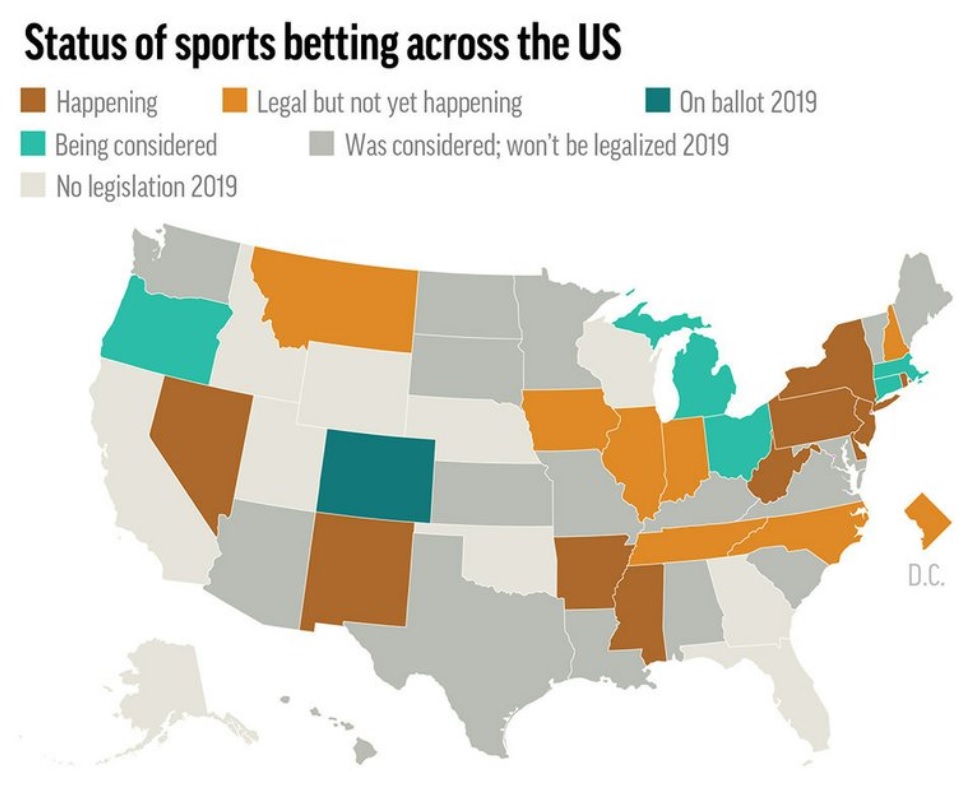
Sports betting is days away from becoming legal in Indiana
INDIANAPOLIS (AP) — Sports betting is days away fr...
Memphis Grizzlies basketball official tapped for Tennessee sports betting panel
NASHVILLE, Tenn. (AP) — An official from the...
Online sports betting sites score as NFL season gets under way
BOSTON (Reuters) - Top online sports betting servi...