An expert look at the current state of iGaming and OSB. By Chad Beynon
Since the overturning of the Professional & Amateur Sports Protection Act (PASPA) in 2018, online operators such as DraftKings, FanDuel, BetMGM, Caesars, etc., have invested heavily in marketing and promotions to capture market share, and grow as quickly as possible within a competitive landscape. Moreover, the initial land grab occurred during a time of cheap capital, which enabled the green-lighting of investments with longer payback periods, resulting in an extended period of initial losses for operators.
In fact, even by 2023 most operators remained unprofitable despite online revenues reaching $15 billion to $17 billion (sports betting and iGaming combined). Today, the industry has shifted more toward sustainable growth, with strategies focused on optimizing customer acquisition costs (CAC), enhancing lifetime value (LTV), reducing promotional intensity and prioritizing customer retention over customer acquisition. All of these drive greater profitability. With that said, the old managerial dilemma of balancing growth vs. investment remains at the core of all operator strategies today.

Image: Chad Beynon, Macquarie Capital’s U.S. head of research and senior Gaming, Lodging & Theatre analyst
Expansion Isn’t Cheap
The United States sports betting market has seen rapid expansion, growing to a market gross gaming ratio (GGR) size of $3 billion in 2020 to $30 billion in 2025, with roughly 60 percent of the U.S. population having access to online sports betting (OSB). Key growth drivers include state-by-state legalization, increased consumer adoption and engagement, and higher operator-take rates (higher hold rates on handle) from improved products and offerings (e.g., single-game parlay/prop bets, live betting etc.).
A major driver for accelerating this growth has been the amount of dollars put into marketing and promotions by companies in order to acquire customers faster, and to grow the market. Sports book operators deploy bonuses, free bets and advertising across TV, digital, and partnerships to attract users. But this comes at a cost, often eroding margins in early state-launch periods. Sports book operators allocate substantial budgets to marketing, with top players spending $1 billion annually as of 2025.
This is in addition to promotional offers of hundreds of millions which don’t show up as a cost on the income statement. Rather, they reduce net revenue. Generally, profitability typically emerges after two to three years of investment, as markets mature and fixed costs are spread over larger user bases. However, this timeline is becoming increasingly short, as operators have been acquiring customers more efficiently while the value of players is also increasing.
Quality Surpasses Quantity
With profitability becoming more important for investors in recent years, sports book customer-acquisition strategies have evolved towards quality over quantity, while using data-driven approaches targeting a LTV/CAC (life-time value / customer acquisition cost) ratio of 3:1 or higher. Other key KPIs monitored by operators include: GGR, NGR (net gaming revenue), ARPU (average revenue per user), and ROI (marketing return on investment) to adjust spend.
In fact, compared to the early days in the U.S., operators have reduced overall promotional intensity, shifting from high-cost, “risk-free” bets to more-targeted, value-driven promos such as personalized bonuses based on user interests. This not only encourages sustained play, which drives higher retention, but enables sports books to avoid “bonus chasers.”
Given that retaining a customer is generally cheaper than acquiring a customer, operators have seen better profitability. As a result, investors and operators have started placing more emphasis on NGR hold rates over GGR hold rates, which is a better measure for not only hold but also promotional efficiency.
In sum, while sports betting acronyms are getting longer, the payback periods are getting shorter. This move towards sustainable growth focused on profitability by optimizing customer acquisition and retention strategies, in our view, will continue to drive higher market values for the industry for years to come.
Chad Beynon is Macquarie Capital’s U.S. head of research and senior Gaming, Lodging & Theatre analyst. He has followed the sector for over 20 years and collaborates with his global team of gaming analysts. He previously conducted Consumer Research at Prudential Equity Group and is a proud graduate of the University of Maryland.
Disclosures: Macquarie provided the following company disclosures as of October 24, 2025.
Caesars Entertainment (CZR US): Macquarie has provided non-investment banking, non-securities services to Caesars Entertainment in the past 12 months, for which it received compensation.
DraftKings (DKNG US): Macquarie Group Ltd., together with its affiliates, owns a net long of 0.5 percent or more of the equity securities of DraftKings.
***This article was originally published in October 2025 Edition of Sports Betting Operator Issue 019***

Half of US offers legal sports betting as NFL season begins
EAST RUTHERFORD, N.J. (AP) — More than half of the...
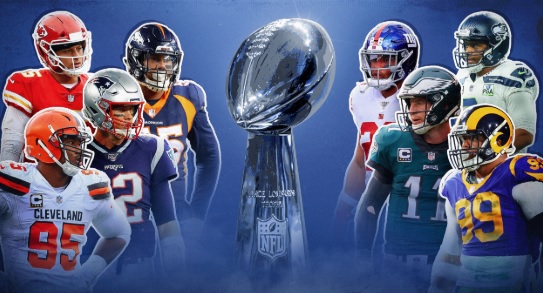
Online sports betting sites score as NFL season gets under way
BOSTON (Reuters) - Top online sports betting servi...
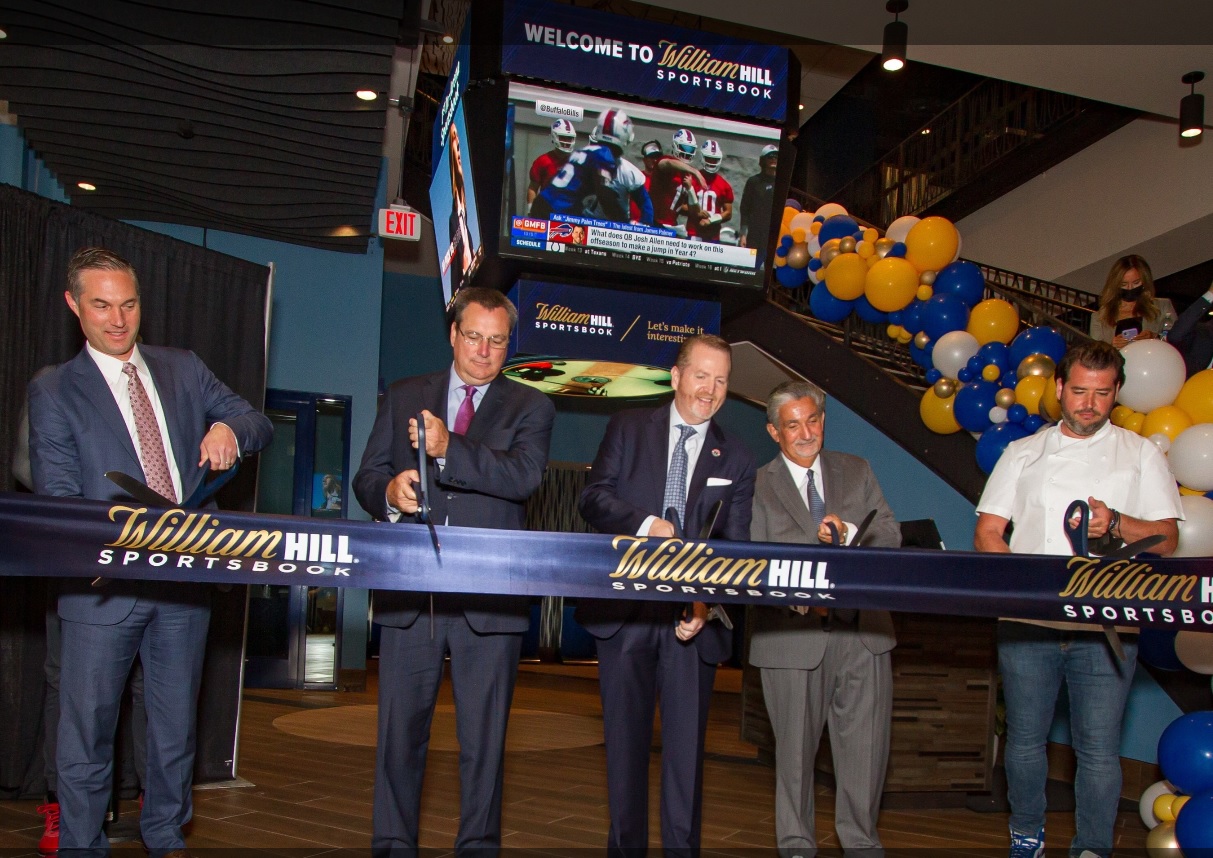
William Hill Sportsbook Officially Opens at Capital One Arena in Washington, D.C.
WASHINGTON, May 26, 2021 /PRNewswire/ -- Marking a...
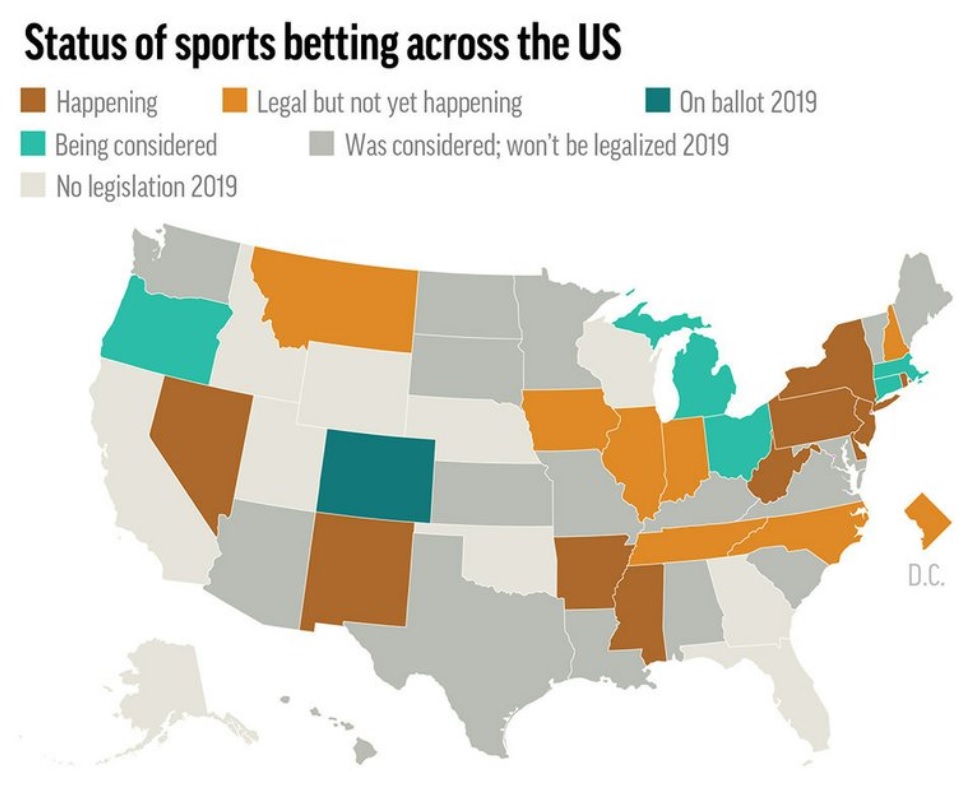
Sports betting is days away from becoming legal in Indiana
INDIANAPOLIS (AP) — Sports betting is days away fr...
William Hill US and Mescalero Apache Tribe Announce New Sports Book at Inn of the Mountain Gods Resort & Casino in New Mexico
LAS VEGAS (June 24, 2019) – William Hill US, ...