
How Fanatics launched a market-ready predictions product in five months with CreateFuture. By Mark McGuinness
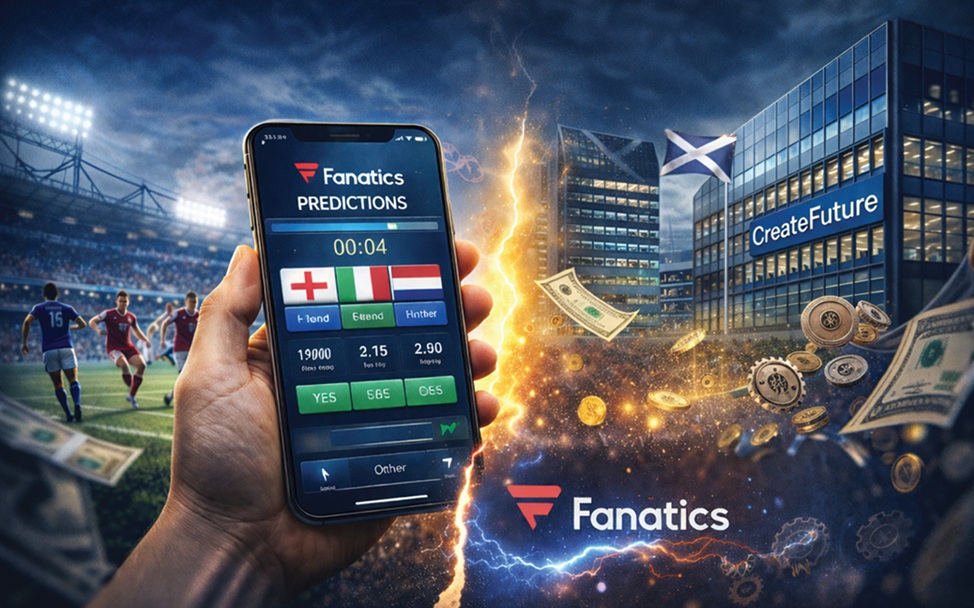
The World Cup 2026 will test whether fixed-odds betting remains dominant or whether predictions reshape fan engagement. This is where Fanatics’ journey comes into play. Sports Betting Operator chatted with Hass Peymani about CreateFuture’s role in Fanatics’ five-month deployment of its predictions product. Peymani highlighted leadership, culture and trust as essential for success in regulated markets.
Player attention is a shrinking commodity, a pressing concern that keeps sports book leaders awake at night. What happens next?
Player attention is scarce and becoming scarcer as we live our digital lives via screen-based interactions Operators compete on experience, frequency and relevance, not just breadth of betting options.
Predictions support a growing trend, driven by social media and players seeking to be part of a shared experience. Predictions help reduce friction, broaden participation and enable repeat engagement without requiring immediate betting decisions. Well-designed predictions build habit and familiarity, while poorly designed ones feel superficial. For sports books, predictions are essential strategic tools for fan engagement.
With that strategic context, let’s look at CreateFuture’s roots. CreateFuture is proudly Scottish. How did the journey begin?
CreateFuture was founded in Edinburgh in 2010 as xDesign by our CEO, Euan Andrews. From the start, our ambition was to deliver practical, high-quality outcomes for our customers, over and over again. The core aim is to help, and we help organizations solve real problems through design, engineering, technology and effective communication, rather than relying on distant or theoretical frameworks. The values reflect our own Scottish values: craft, resilience, and a focus on practical and demonstrable outcomes.
The business continued to grow and, with that, we saw opportunities and sought to expand through acquisitions, rebranding as CreateFuture in 2023. The new name reflects our belief that transformation is achieved collaboratively, over time, with the right people and leadership alignment.
Today, we are headquartered in Edinburgh, with major hubs in Leeds, Manchester and London, and over 600 specialists in product, engineering, cloud, and experience design. Our purpose is to help clients address current challenges while building organizations that remain resilient in the future.
Scottish heritage has strong roots in iGaming. How does that influence your operator relationships?
Scotland has played a significant role in shaping modern sports betting technology. FanDuel is a good example. It was founded in Edinburgh before becoming part of Flutter Entertainment. It combines an entrepreneurial pace with deep technical rigor, delivering different experiences for players.
We have been working with FanDuel for over five years, starting back in 2020. The United States market was expanding rapidly. Regulation was accelerating across multiple states, and pressures on talent experience and delivery were paramount. They did not need a traditional management consultancy. They needed strategic partners capable of rapid execution and a can-do attitude. This distinction influenced all subsequent work.
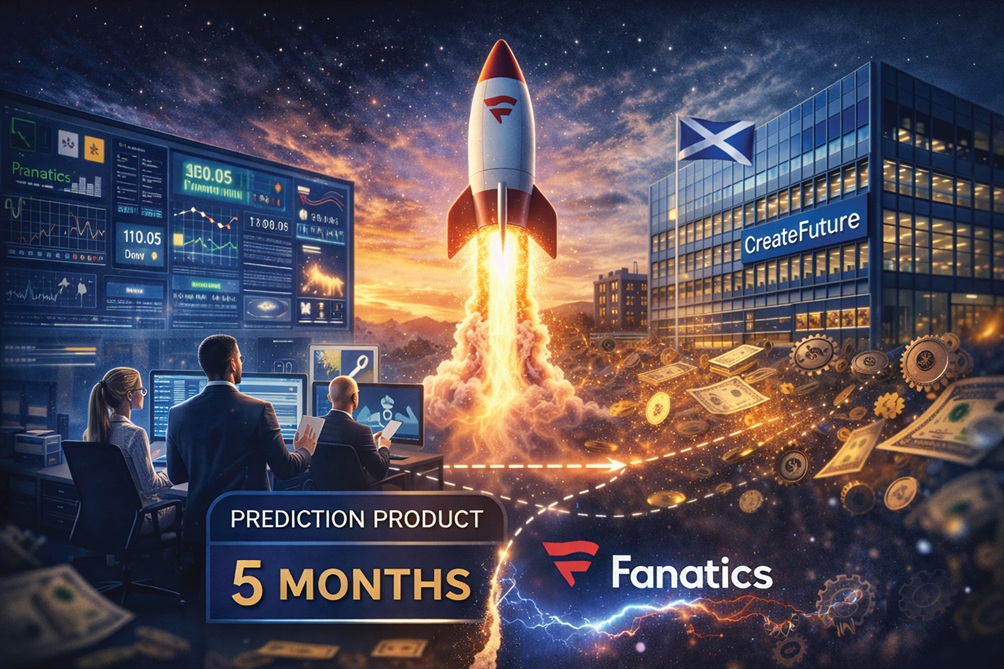
Fanatics launched a market-ready predictions product in five months. What did CreateFuture deliver in practice?
Fanatics has a clear ask and requirement. To design, build, and launch a market-ready, fully compliant predictions product that aligned with the Fanatics brand in the marketplace.
Second, organizational structure is fundamental to outcomes. We embedded multidisciplinary CreateFuture teams directly within Fanatics’ organization, including product, engineering, mobile, cloud and delivery leadership. We operated as internal partners, where badges were left at the door, rather than external suppliers.
Third, ownership. We assumed responsibility for outcomes, including delivery speed, quality and team well-being. This allowed Fanatics’ leadership to focus on market entry, regulation and customer experience.
CreateFuture and Fanatics collaboratively designed and built the market-serving application layer that sat between third-party prediction engines and Fanatics’ customer-facing experience. This included ingesting external market data, maintaining an authoritative state and orchestrating user actions such as order placement, validation, and settlement. While the core prediction engine was provided by a third party, we designed and implemented critical trading mechanics around it. This included order books and execution logic, ensuring predictable outcomes under load, and within regulatory constraints.
In five months, Fanatics launched its predictions product, proving that purpose and alignment – not shortcuts – drive innovation.
Considering product delivery, you emphasize embedded teams. Why is this model so effective in iGaming?
In traditional consultancy models, friction can arise from handovers, misalignment and delayed decisions. In iGaming, this friction quickly escalates risk at both personal and corporate brand levels. Embedded teams help remove some of these barriers by sharing successes and outcomes. Trust comes from daily accountability and dialogue. For operators facing rapid growth and regulatory complexity, this model supports sustainable scaling rather than short-term acceleration.
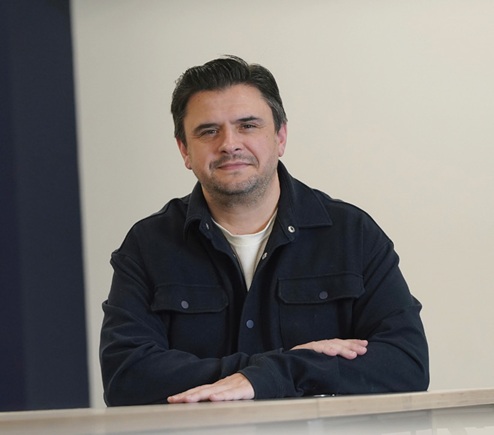
Image: Hass Peymani Head of iGmaing CreateFuture
Is culture important in digital transformation?
Culture determines whether technology succeeds or fails. It comes down to people and the culture. Across our wider client base, which includes PayPal, Adidas and the NHS, the same pattern appears.
When company culture and leadership behavior aren’t in synch, platform innovation can struggle, engineering talent can become less motivated and transformation stalls. In iGaming, this cultural communication gap can be intensified by regulatory changes, public scrutiny of how gambling companies behave and the rapid pressure of change. Transformation therefore, is fundamentally about behavior change, both at the leadership level, and within product and engineering teams. Listening matters. Empathy matters. Asking difficult questions often leads to better outcomes.
With the focus shifting to industry-wide innovation, many sports book operators are still navigating digital scale-up. With the expanded World Cup format, how important is it to innovate with predictions?
Predictions are a necessity, not a niche or a nice-to-have. It is clear that player demand is driving adoption and, with recent transactions from the big three prediction brands in the United States, not only are players voting, but financial institutions are on board as well.
Predictions often spark debate and public outcries, with some industry leaders embracing them, while others remain skeptical. Predictions aren’t meant to replace fixed-odds sports books or threaten the core sports betting experience. The forward-thinking operators see predictions as an added layer of engagement relevant to today’s digital players, not a rival product to fill the 24/7 calendar.
Indeed, predictions are similar to fantasy sports or free-to-play pick’em games. These formats already have huge audiences. In the U.S., fantasy sports are expected to surpass $13 billion in annual value by 2025 and reach nearly $24 billion by the end of the decade. Predictions appeal to today’s player behavior, which is the ease of play, social competition, gamification-style leaderboards and emotional buy-in that today’s player wants.
Predictions, therefore, add to the sportsbook’s current, native betting experience to provide a complete product portfolio for today’s modern digital bettor. In practice, due to the format and socialization effects, more will enter the funnel, and engagement will be boosted during marquee events like the World Cup.
Fixed-odds sportsbooks remain the main driver of revenue, thanks to strong pricing, risk management, and market depth. Predictions can complement this and help drive acquisition, retention, and reactivation. When done right, predictions and fixed-odds betting strengthen one another, rather than compete, offering a one-stop destination of wagering options.
How should C-suite leaders approach competitiveness, regulation and trust in the coming cycle?
Regulation is a strategic design input, not just a constraint. The strongest operators design for compliance and adaptability from the outset, building trust with key stakeholders.
From a leadership standpoint, this really comes down to three fundamentals. Leaders need to be confident that their systems, both internal and partner-led, can respond to regulatory change without creating operational drag or instability. At the same time, decision-making must be grounded in trusted data, with clear ownership and governance, so executives can act quickly and responsibly. Most often – and most overlooked – is company culture. The pressure of a modern digital business can sometimes mean growth that optimizes for short-term gains and struggles to scale. Those that embed long-term thinking into how teams are led, rewarded and measured are far better positioned to grow sustainably in regulated markets.
Trust is a very important asset within a people-first business and culture, and it should be reflected in the P&L. Brands that demonstrate consistency and accountability expand faster, form partnerships more easily, and retain customers longer. Those that do not will increasingly struggle to remain relevant and profitable. Leaders must act decisively and embrace proactive transformation, which is now essential to shaping a competitive and long-term future.
In terms of regulation, many view it as a business limitation. The market-leading operators don’t just react to compliance. They design it with transparency and adaptability right from day one.
Break it down and three things matter. First up is confidence in your technology stack. You need to know your systems, and your partners can adapt to regulatory conditions by anticipating, adapting, and providing strategic product and technical advice in a collaborative outcome. Second is decision integrity based on data you actually trust, with clear accountability. The third is company culture, the piece everyone forgets. There are many case studies, but brands that focus on short-term metrics rarely scale well or survive. The ones that win are the ones empowering their teams to think long-term and include culture.
In a people-first business, trust is hard currency. It eventually shows up on the P&L. Brands that prove they are consistent and accountable are the ones that land partnerships and keep customers. The ones that don’t will find it harder and harder to compete. The time for hesitation is over. C-suite leaders need to push for deliberate transformation now to secure their future.
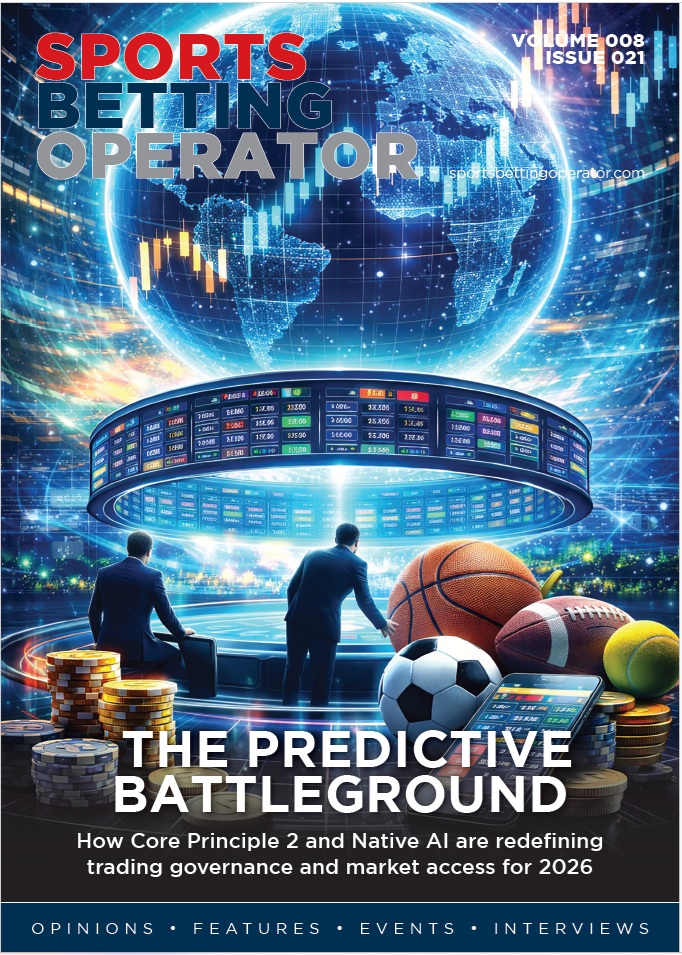
*** This excluisve article was originally published in January 2026 edition of Sports Betting Operator Magazine Issue 20 Volume 8 ***

Half of US offers legal sports betting as NFL season begins
EAST RUTHERFORD, N.J. (AP) — More than half of the...

William Hill Sportsbook Officially Opens at Capital One Arena in Washington, D.C.
WASHINGTON, May 26, 2021 /PRNewswire/ -- Marking a...
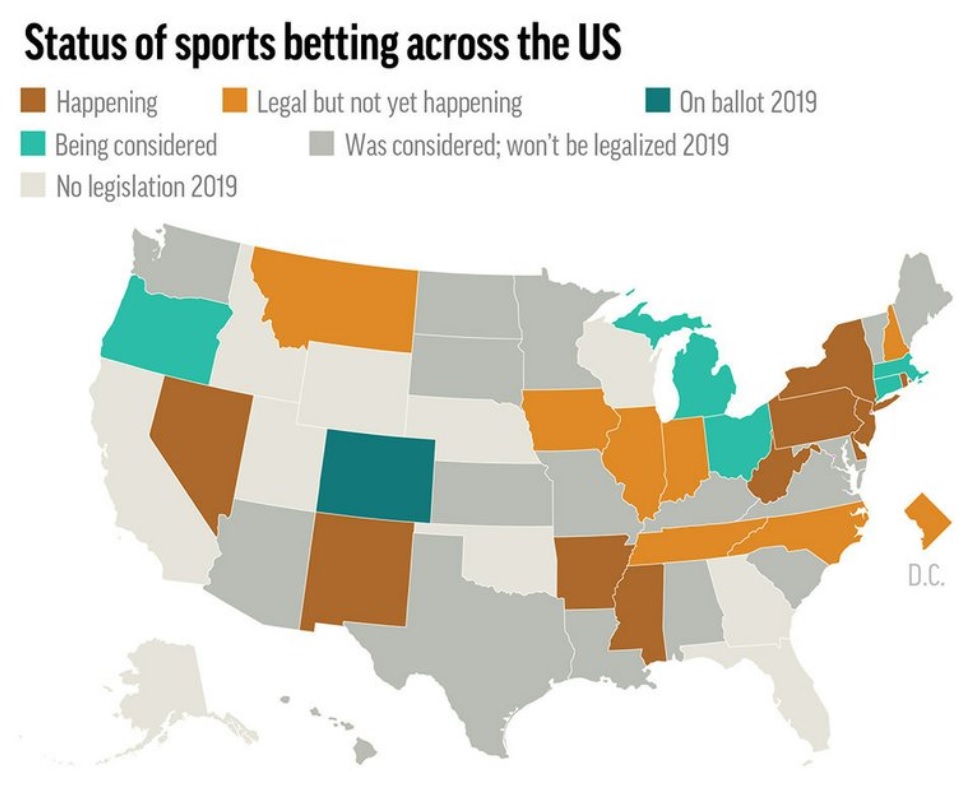
Sports betting is days away from becoming legal in Indiana
INDIANAPOLIS (AP) — Sports betting is days away fr...

Nasdaq dealing in Sports Betting
Nasdaq Inc. is lending its technology an...
William Hill US and Mescalero Apache Tribe Announce New Sports Book at Inn of the Mountain Gods Resort & Casino in New Mexico
LAS VEGAS (June 24, 2019) – William Hill US, ...