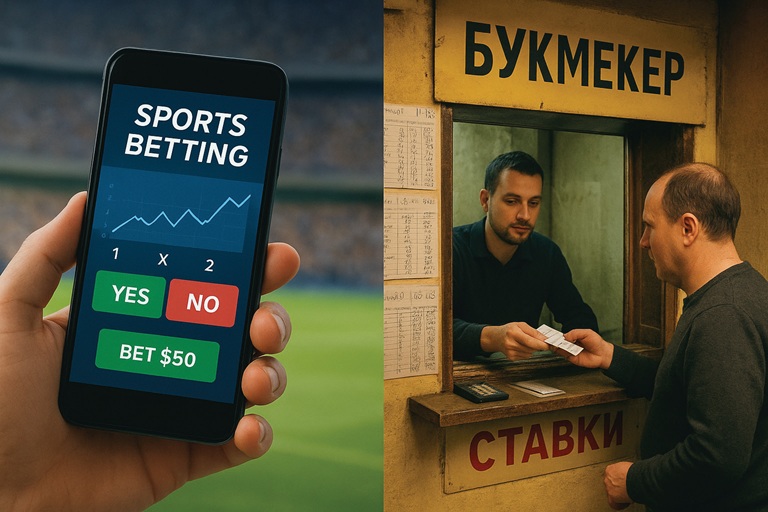

Why sports betting habits in Eastern Europe look different from the rest of the world. By Marko Mitevski
Sports wagering is spread worldwide. However, the methods by which people bet, their reasons for betting and how markets are structured differ significantly from one region to another. Eastern Europe – essentially comprising the Balkans, the ex-Soviet republics and the Central European countries – has been quite frequently a little different. The variations in past, regulation, technology usage, trust in society and the unaccounted-for economy result in betting behaviors that are quite different from those in Western Europe, North America or Asia.
A Different Regulatory and Market Legacy
Over a long period of time, gambling has been liberalized in a large part of Western Europe and North America. Eventually, it was integrated into formal economies through licensing regimes, consumer protections and rules regulating advertising.
This institutionalization has made online platforms, credit card staking and regulated advertising the default experience for a large number of bettors. On the other hand, some parts of Eastern Europe have different histories – a mixture of late market liberalization after the collapse of state monopolies, regulatory frameworks that are not fully developed and a rapid, uneven transition to private markets.
In places where regulation was slow, informal or semi-legal, operators were able to fill the gap. Thus they shaped consumer habits that have existed for a long time, in which people are used to dealing with cash, doing transactions in person at shops, and local bookies rather than app-first betting. This uneven regulation explains the presence of some Eastern European bettors who still prefer physical parlors and cash-based systems.
The Social Meaning of Betting
Gambling’s social aspect varies from one society to another. In those where there have been state lotteries for a long time or formally regulated betting, gambling can be seen as normal entertainment. On the other hand, in some places betting is still deeply intertwined in the informal social networks – cafés, local clubs, workplace pools – where reputation and trust are the most important things, not corporate brand names.
In a lot of Eastern European communities, the social side of the communal act of betting is emphasized so much that wagering is considered as one of the ways of talking. It is a local ritual rather than just a simple transaction. Such a social setup consumes different products and helps operators who have a good personal relationship with their clients – local shops, agents or community bookmakers – rather than faceless, global platforms to be successful.
The Shadow Economy
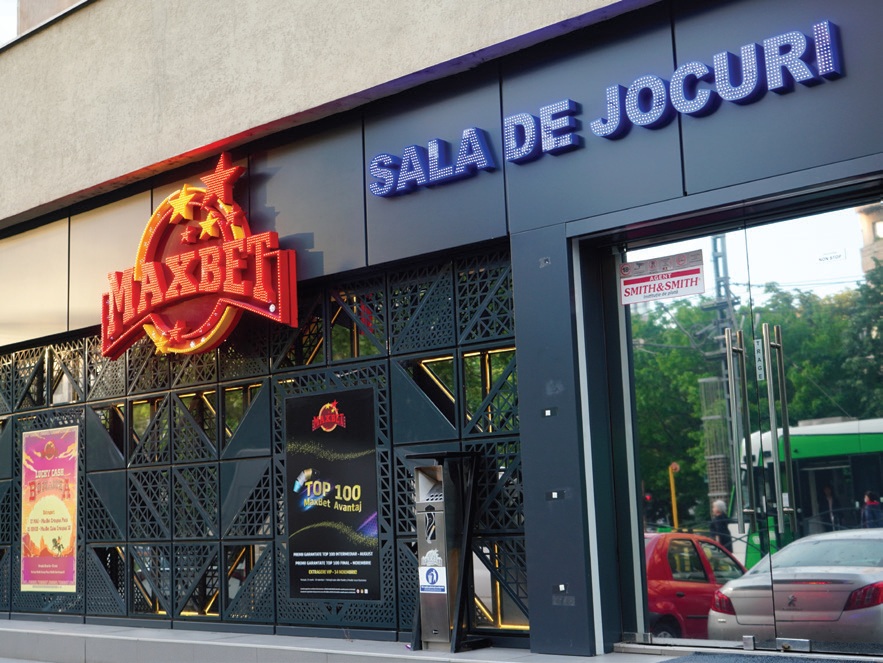
One of the most obvious differences is the continued influence of the shadow economy in some areas of Eastern Europe. Illegal or semi-legal betting operations can be easily turned into money laundering, racketeering and other criminal activities – issues that are less noticeable in tightly regulated markets. In areas where the capacity of the state was weakened due to political transitions, criminals took over gambling to have a new source of income, thus creating the informal infrastructures that are still there.
Hence, the first effect of this is that some betting activities are done off regulated platforms and thus on unrecorded, cash-based networks. The second one, however, is that it affects public perception. Thus betting becomes more linked to risk, corruption and the underworld. As a result, this determines the ways and places of betting. A number of recent investigative and policy reports have uncovered money laundering and unlicensed gambling in parts of the Western Balkans.
Media, Sponsorship and Normalization
Throughout Europe, one of the main ways in which the normalization of betting has been carried out is through the sponsorship of sports by betting companies. The presence of betting logos on shirts, stadium hoardings and TV deals is one of the ways in which wagering is becoming a part of sports fandom. This trend can be seen all over the continent but it has created different dynamics in Eastern Europe.
In those markets where consumers had less access to regulated, online platforms, sponsorships were a very powerful tool to create awareness and demand for betting – even though the regulatory framework was not advanced. The influence of wagering companies on the commercial side of clubs and leagues has, in fact, been pointed out as a structural factor that determines the change of fan habits. The latter are becoming inured to betting as a normal way of sports consumption.
Technology Adoption: Uneven but Rapid
Mobile wagering is the main reason for the change of the consumer habits worldwide. Thus the speed and the way of the adjustment vary from place to place. For example, in a lot of the Eastern European nations the penetration of smartphones elevated rapidly. However, digital payments and identity-verification infrastructures have not kept up. Therefore a hybrid market has been created in which mobile apps are available, but cash and voucher systems are still widely used.
This hybrid situation results in distinctive product preferences. Very small microbets, peer-to-peer bets and locally customized promotions are oftentimes more preferred than the wider, credit-card-driven model, which is usual in other regions. Concurrently, online adoption speeds up dramatically where operators choose to invest in local-language apps and payment workarounds. The resulting image is one of significant local differences instead of one single “Eastern European” standard.
Problematic Gambling Patterns
The willingness to take risks based on culture and the social visibility of betting determine the distribution of problems. Research has demonstrated that in countries where there are fewer restrictions on advertising and where there is easy access, younger groups tend to normalize gambling more. This is particularly the case when sports betting is presented as a natural continuation of fan culture.
Studies of public health carried out in different regions demonstrate that the prevalence and patterns of problematic gambling depend on the factors that influence them. These include access to gambling, local norms and whether bettors are using regulated channels that provide them with security measures like self-exclusion or deposit limits.
Why “Culture” Matters more than Stereotypes
People often want to simplify the differences between regions by stereotyping. For example, Eastern Europe = a corrupt bookmaker; Western Europe = a well-regulated industry. However, the culture in this area is a complex explanation that involves the past of the state economies, trust in institutions (whether there are regulated markets or not), media practices and the everyday social rituals related to sports.
It is possible that two countries next to each other have very different betting ecosystems. Just look at how regulators reacted to liberalization, how quickly digital payments took off, and how local communities discuss risk and reward.
What to Watch
If they are serious about reducing the negative effects of this activity and uniting divided groups, the cultural diagnosis suggests a few practical steps that policymakers should take. Firstly, they should enhance licensing and cross-border cooperation to attract activity from underground operators.
Secondly, they should allocate funds for payment and ID systems so that legal apps can operate without problems. Third, they should restrict advertising in areas that disproportionately target children and, finally, they should create consumer-protection measures that correspond to the habits of the local populace.
Summary
The variances in sports betting activities between Eastern European and the rest of the world are not so much due to the different characteristics of the regions. Rather, they are the result of the interaction of history, institutions, technology and social practices. Different betting cultures have adapted to the variations in regulation, digital infrastructure and public messaging in their respective regions. This has produced a range of habits from app-first, regulated play to cash-based, community-centered wagering.
Recognizing that complexity is important, efficient policies, safer markets and healthier fan cultures need to be created. And this has to be done according to the realities of each region, rather than being forced from a one-size-fits-all playbook.
*** This article was originally published in January 2026 edition Sports Betting Operator Magazine Issue 20 Volume 8***

William Hill Sportsbook Officially Opens at Capital One Arena in Washington, D.C.
WASHINGTON, May 26, 2021 /PRNewswire/ -- Marking a...

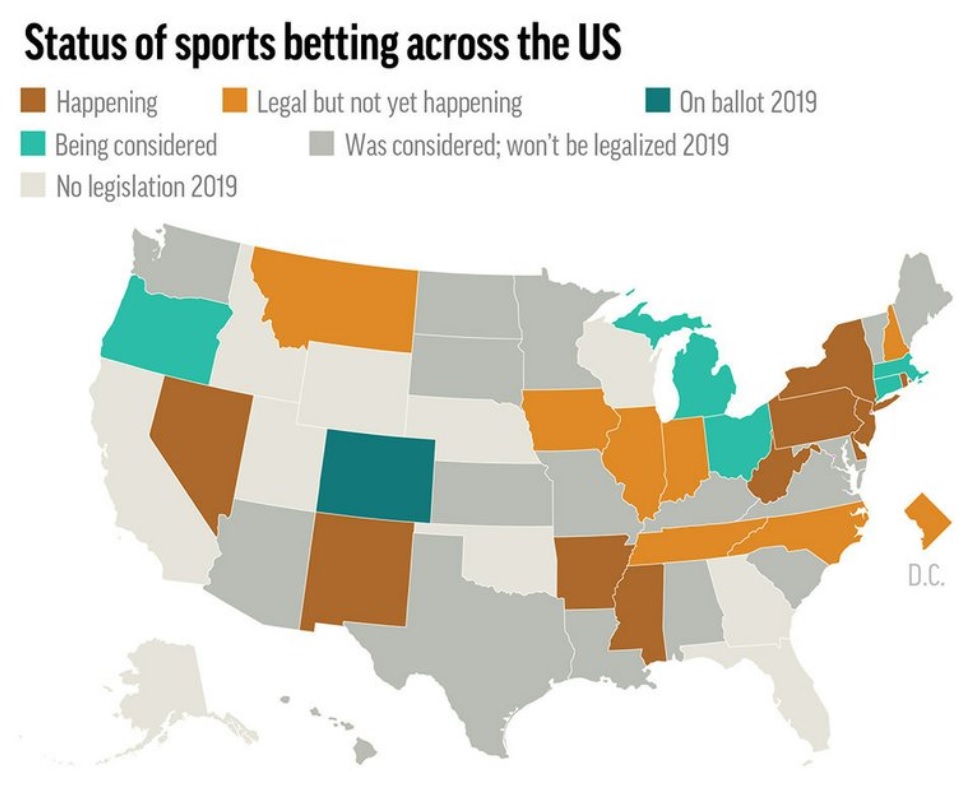
Half of US offers legal sports betting as NFL season begins
EAST RUTHERFORD, N.J. (AP) — More than half of the...
Nasdaq dealing in Sports Betting
Nasdaq Inc. is lending its technology an...
Sports betting is days away from becoming legal in Indiana
INDIANAPOLIS (AP) — Sports betting is days away fr...
William Hill US and Mescalero Apache Tribe Announce New Sports Book at Inn of the Mountain Gods Resort & Casino in New Mexico
LAS VEGAS (June 24, 2019) – William Hill US, ...